How it works
Seven steps, and only the first is yours alone.
A Circle can begin with a photo, an album, an event, a person or a box nobody has opened in twenty years. What it becomes is the same either way: one private record, built by the people who were actually there.
From an empty Circle to a record that holds.
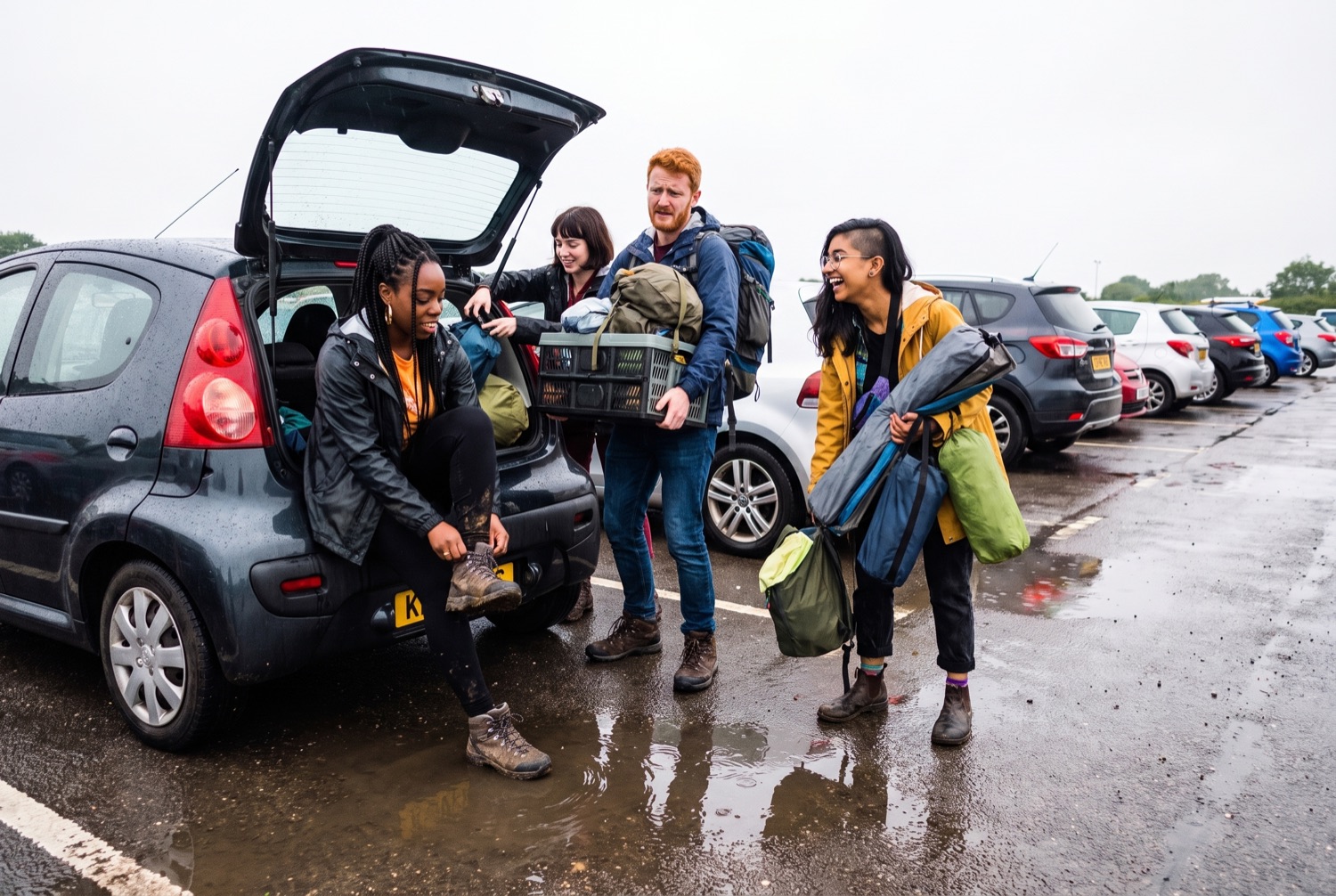
Create a Circle
Give it a subject: a family, a wedding, a team, a place, a person, a period. It is private from the moment it exists, and it stays that way unless somebody with the authority decides otherwise.
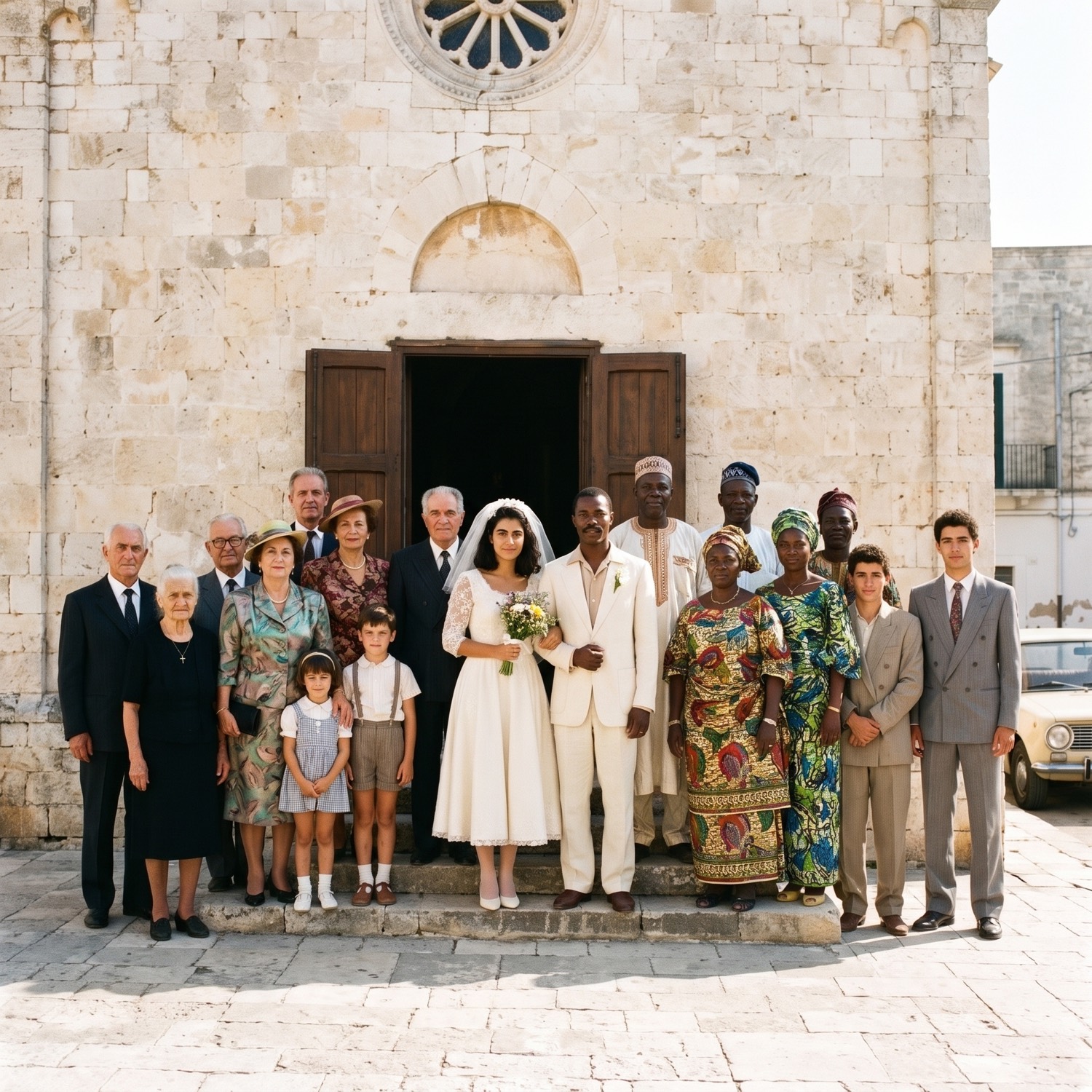
Invite the people who share the history
Send an invitation to the people who were there, or who hold part of the story. You choose what each of them can do before they arrive, and you can change it afterwards.
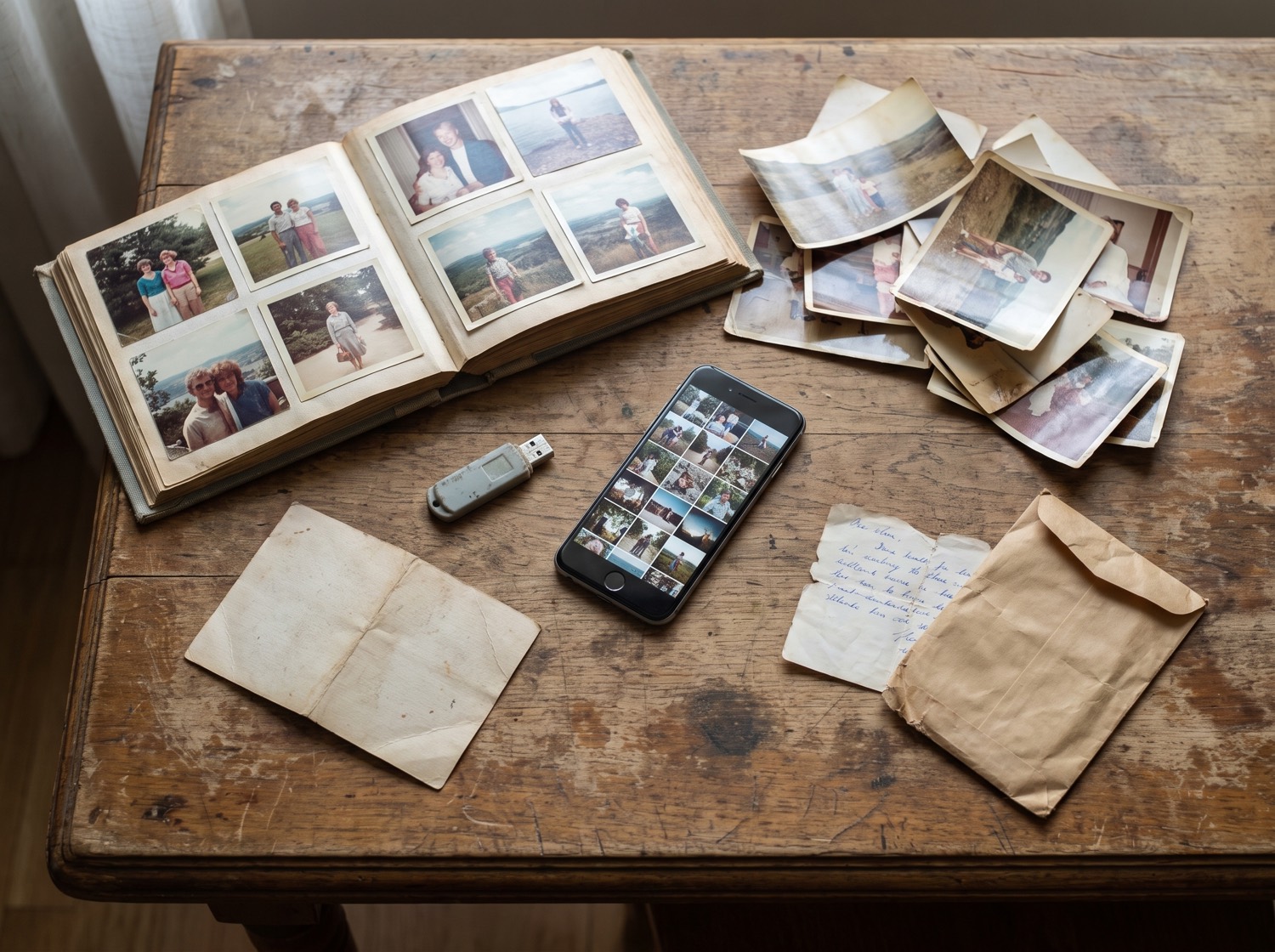
Bring together photos, albums and records
Add single photos, whole albums, captures of printed material, invitations and programmes. Everything arrives as an original and is kept exactly as it arrived.
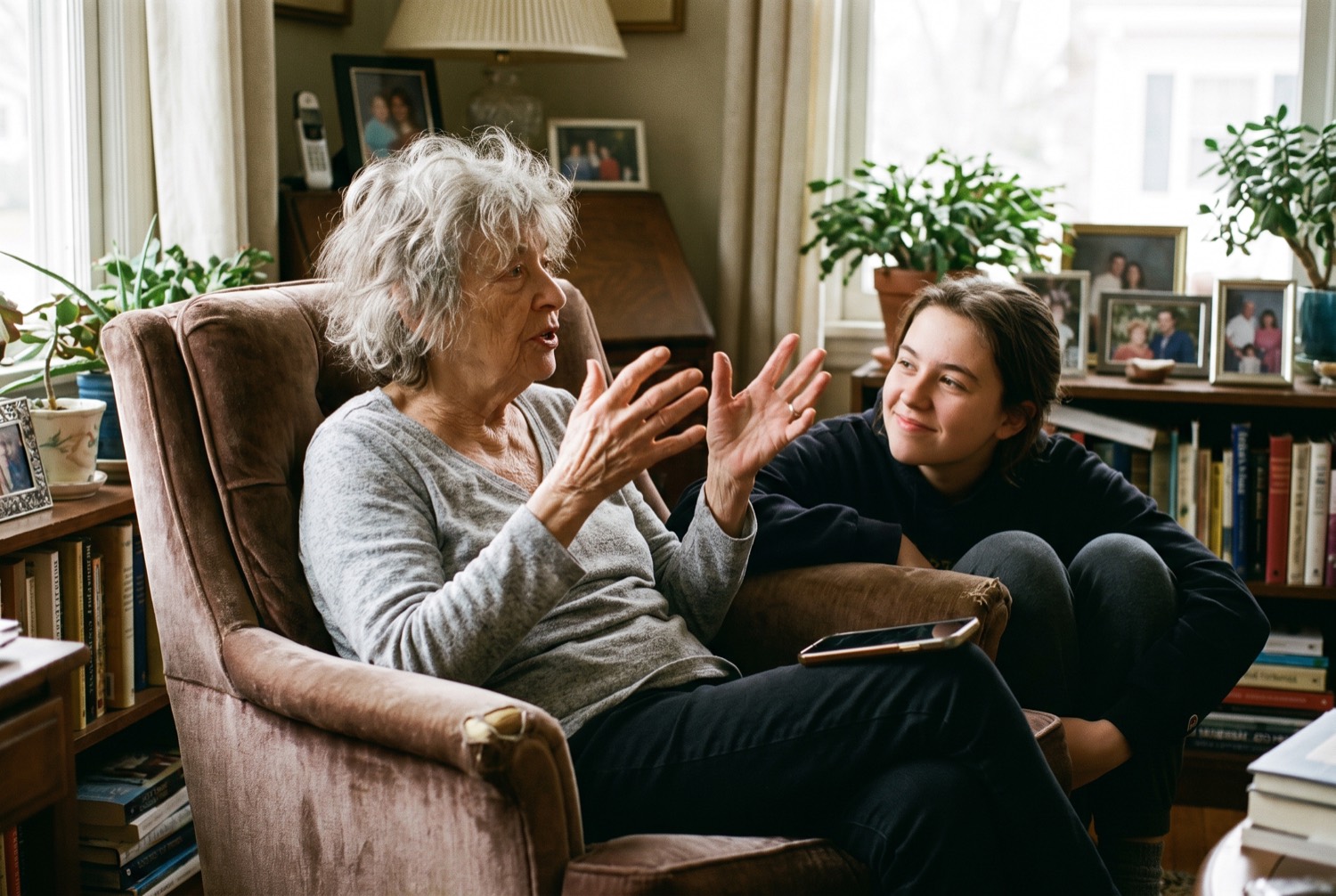
Add voices, written stories and details
Record a story or write it down. Add names, an approximate date, a place, a correction. Every contribution stays in the name of whoever made it, and two people are allowed to disagree.
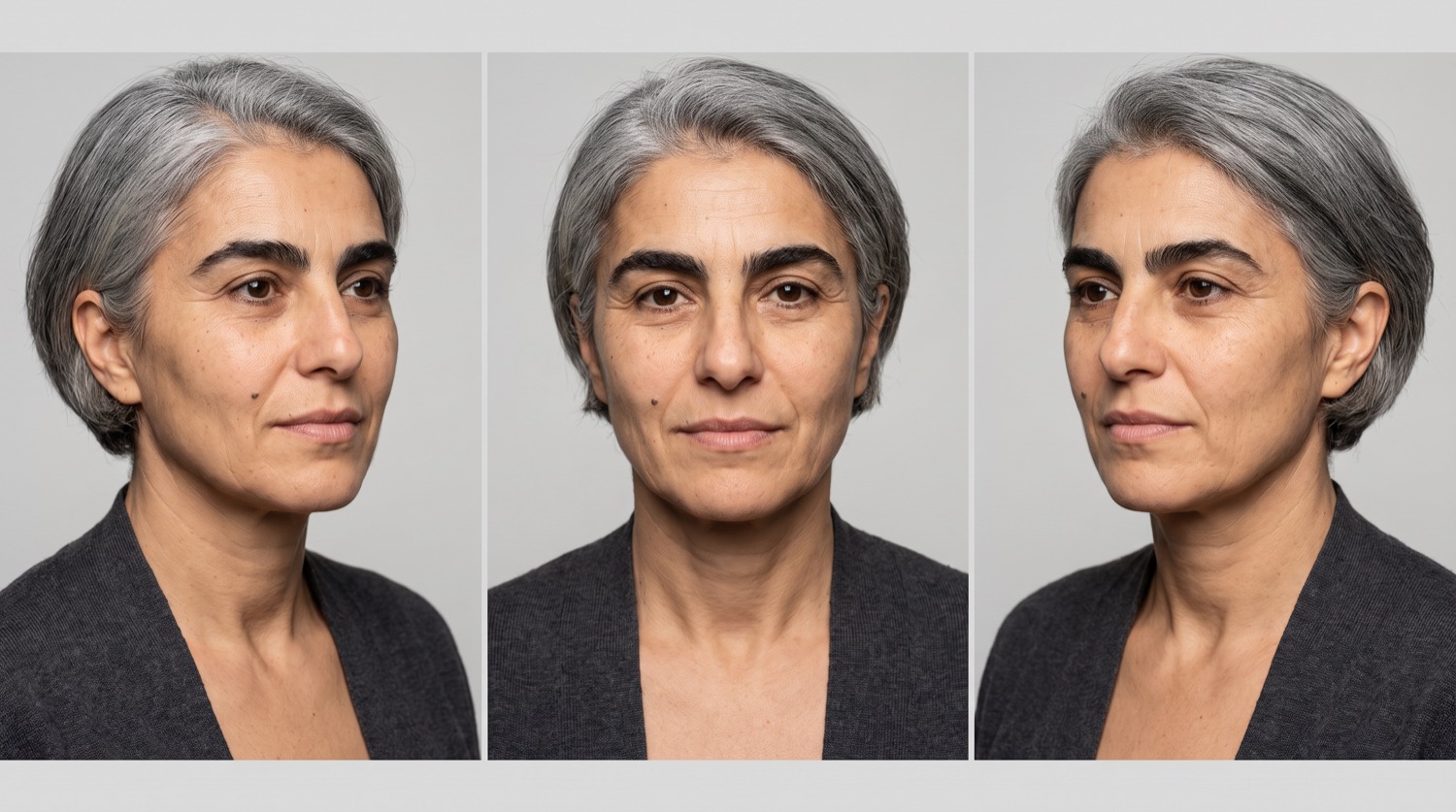
Connect people, places and events
Name who appears and connect them across photos and decades. Arrange material into albums, or along a timeline that has room for the parts nobody can date exactly.
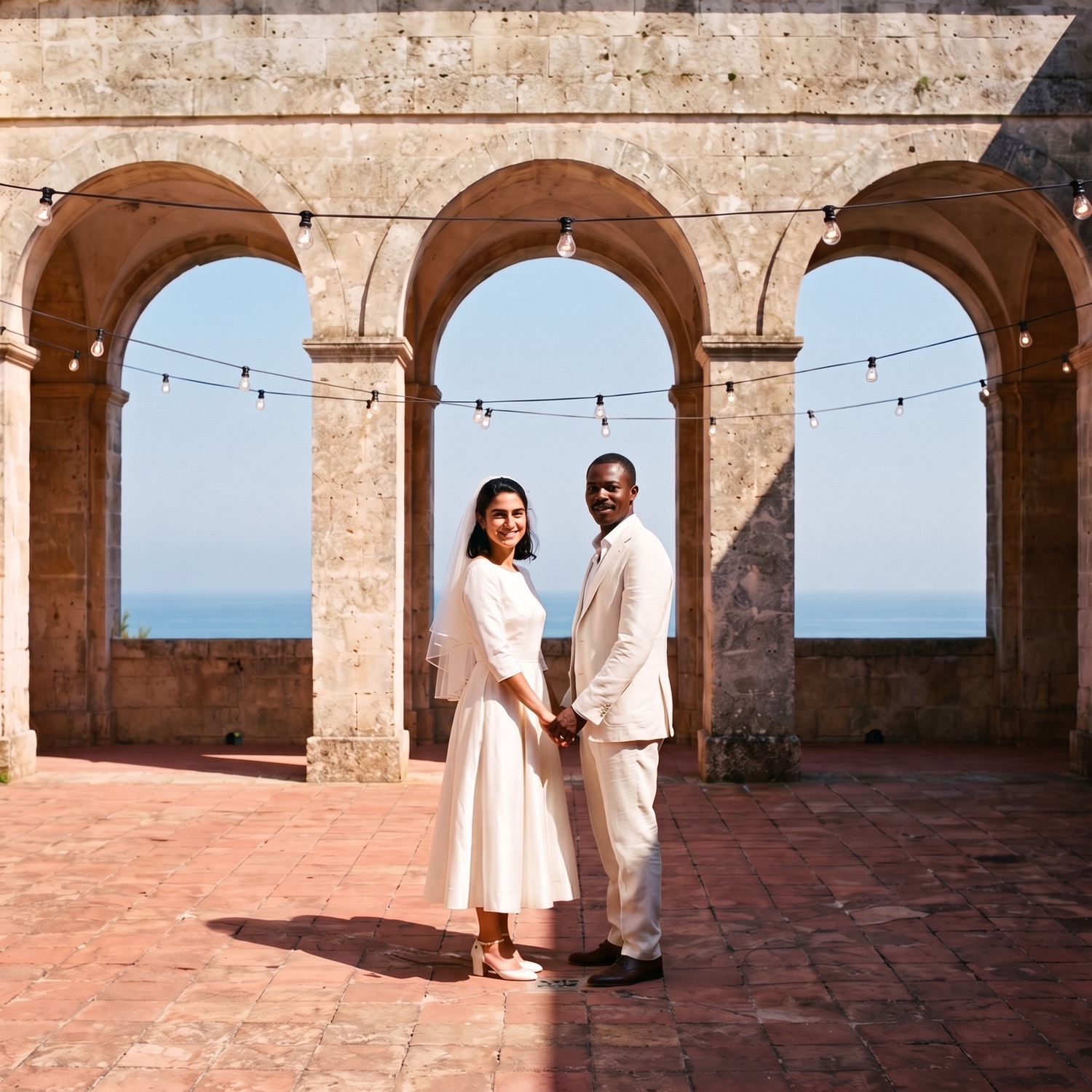
Create new versions where it is appropriate
Mend damage, recover clarity, widen a frame, prepare the format a print or album actually needs. Every created version is labelled as created and linked back to the source it came from.
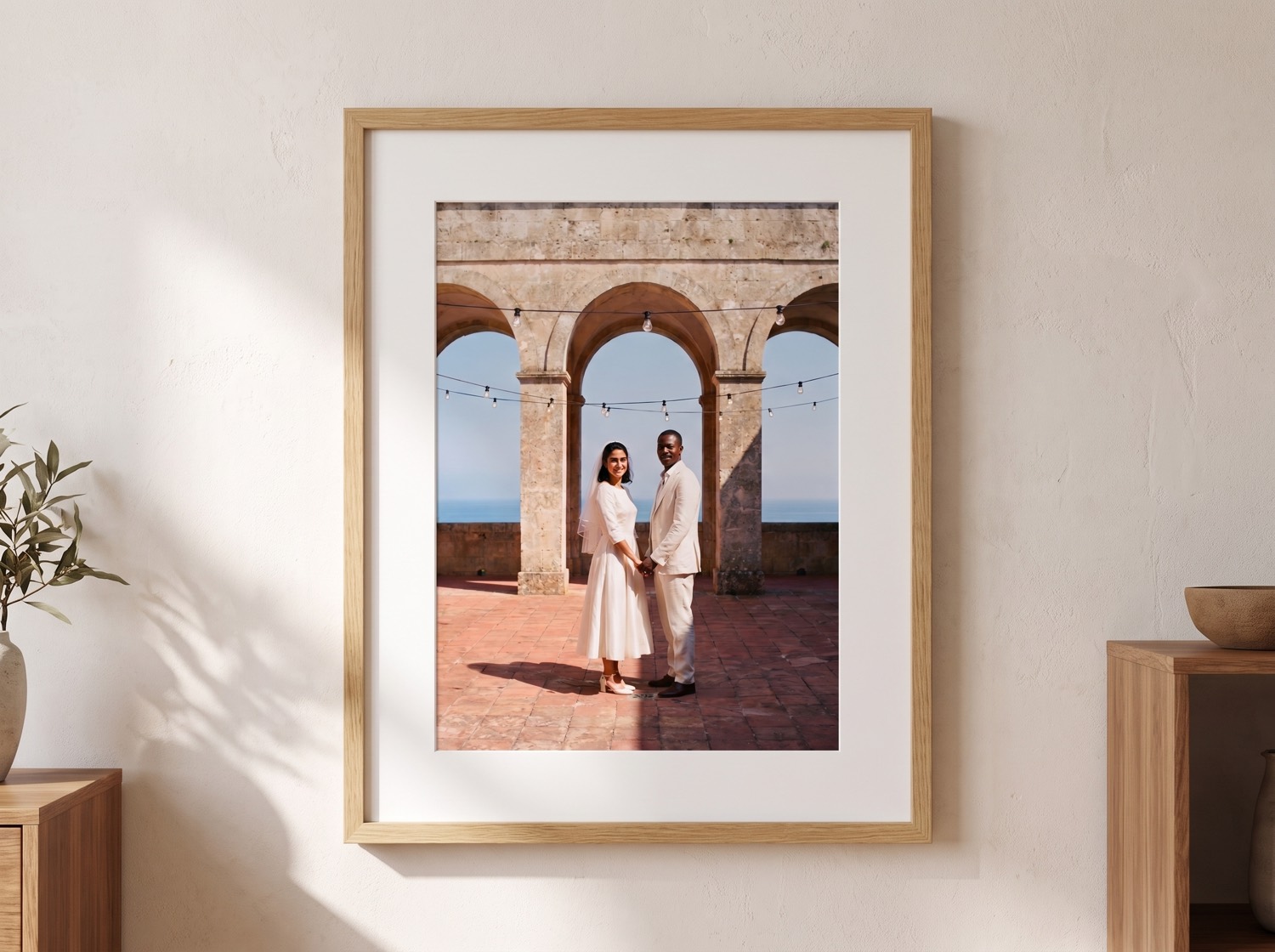
Preserve the shared record
Originals, created versions, people and stories stay linked across albums and time, so a memory can be found by who is in it, where it happened, or roughly when.
What a memory record holds.
Every photo can become a connected record. These are the parts it can carry, and any of them can be added by any member with the right permission.
The untouched original
Never altered, never replaced.
Created versions
Restored, reframed or print-ready, always identified as created.
The people shown
Named by the members who recognise them.
An approximate date and place
Close enough is enough. Certainty is not required.
Written and spoken stories
Attributed to whoever gave them.
Different perspectives
Two recollections can disagree and both stay credited.
Related material
Other photos, captured prints and documents that belong with it.
A contribution history
A record of what came from whom, and when.
Circles decide who. Albums and timelines organise what.
A Circle is the group of people. Albums and timelines are how the material inside it is arranged. A wedding might be an album inside a family Circle, or its own Circle if it needs a different set of contributors.
A Circle
The private group of people connected by a person, event, place or shared history. It decides who takes part and what each person can do.
An album
A grouping by subject: a wedding, a season, a trip, a house. A memory can sit in more than one.
A timeline
The same material arranged by when it happened, including the parts nobody can date precisely.
What people ask before they start.
Does anyone have to be technical?
No. A member can join, look, listen and speak a memory into their phone without doing anything else.
What if nobody is certain?
Approximate is fine. A rough decade, a probable street, a maybe. Uncertainty is recorded as uncertainty rather than lost.
What if two people disagree?
Both accounts stay, each credited. Cirluma does not force one official version of a memory.
Who can see it?
Only the people invited to that Circle, and only in the ways their permission allows.